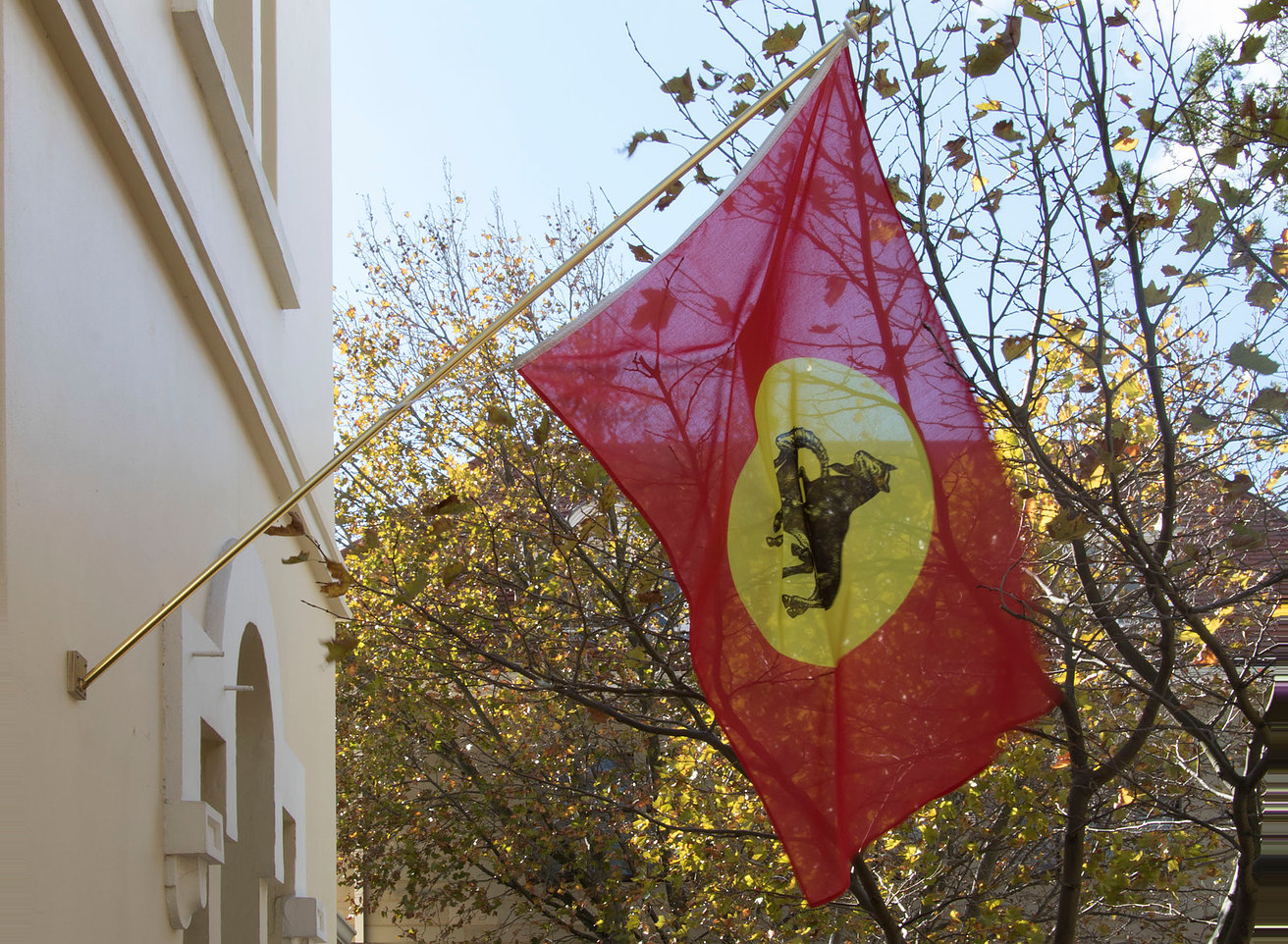
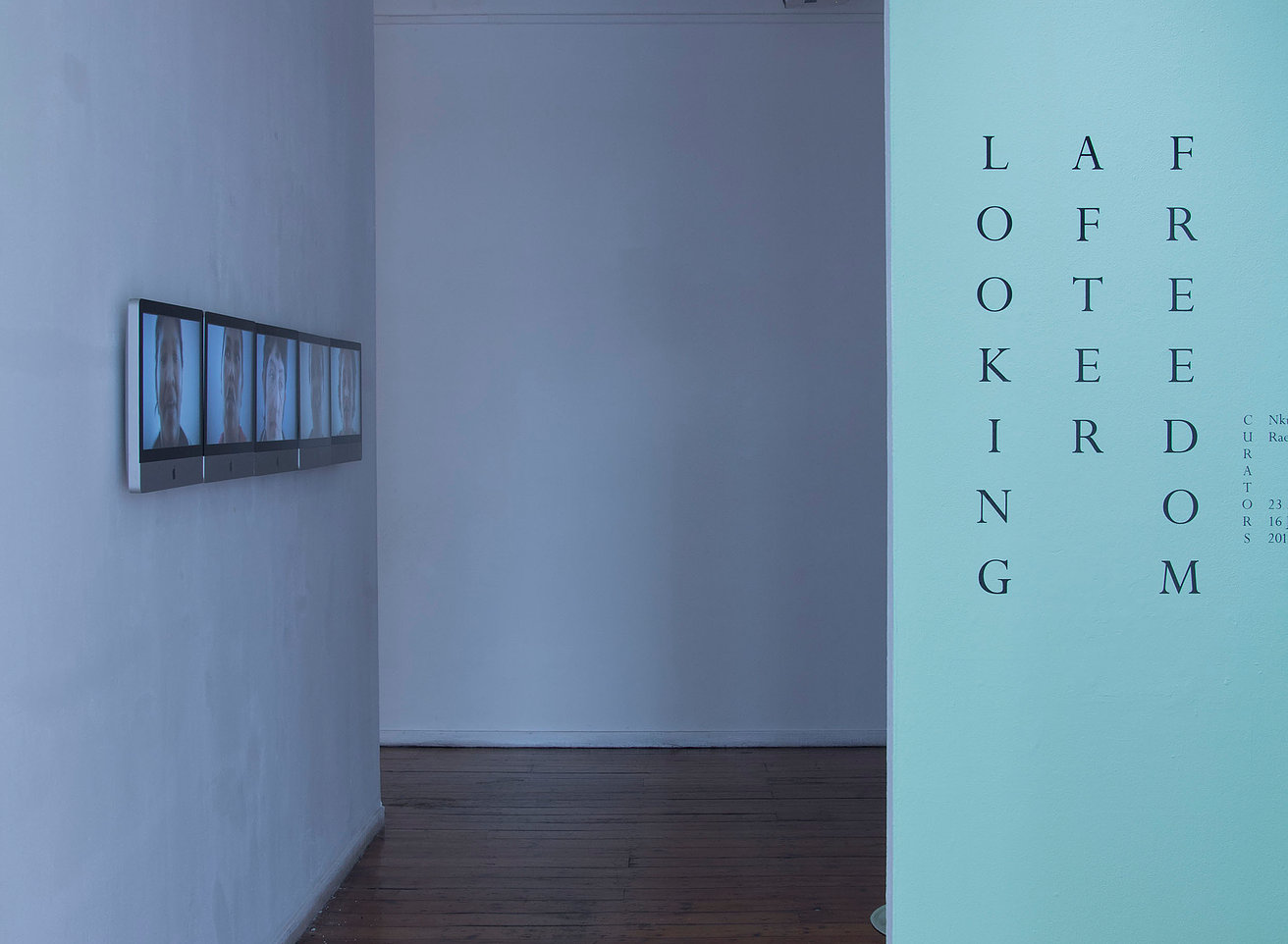
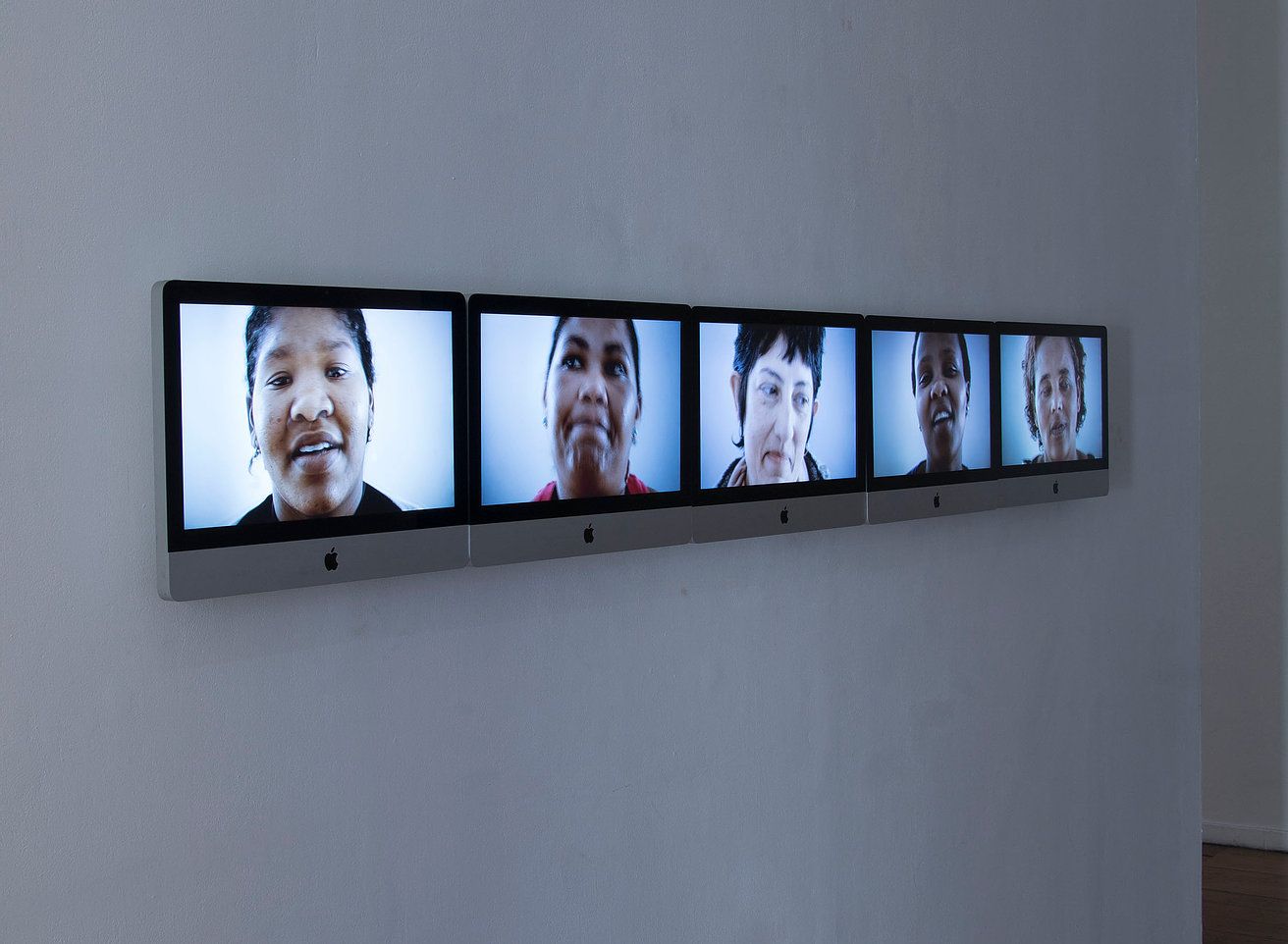
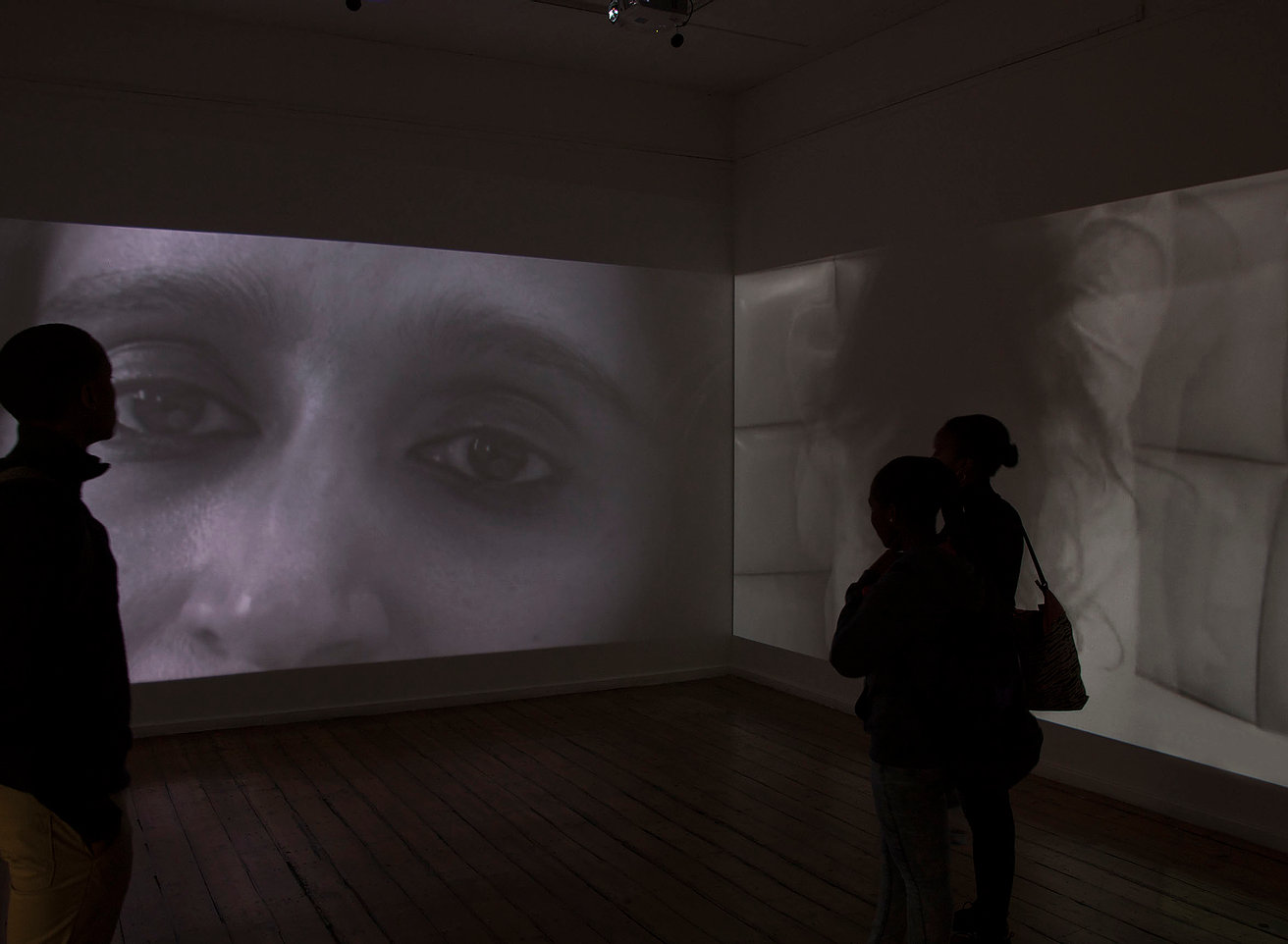
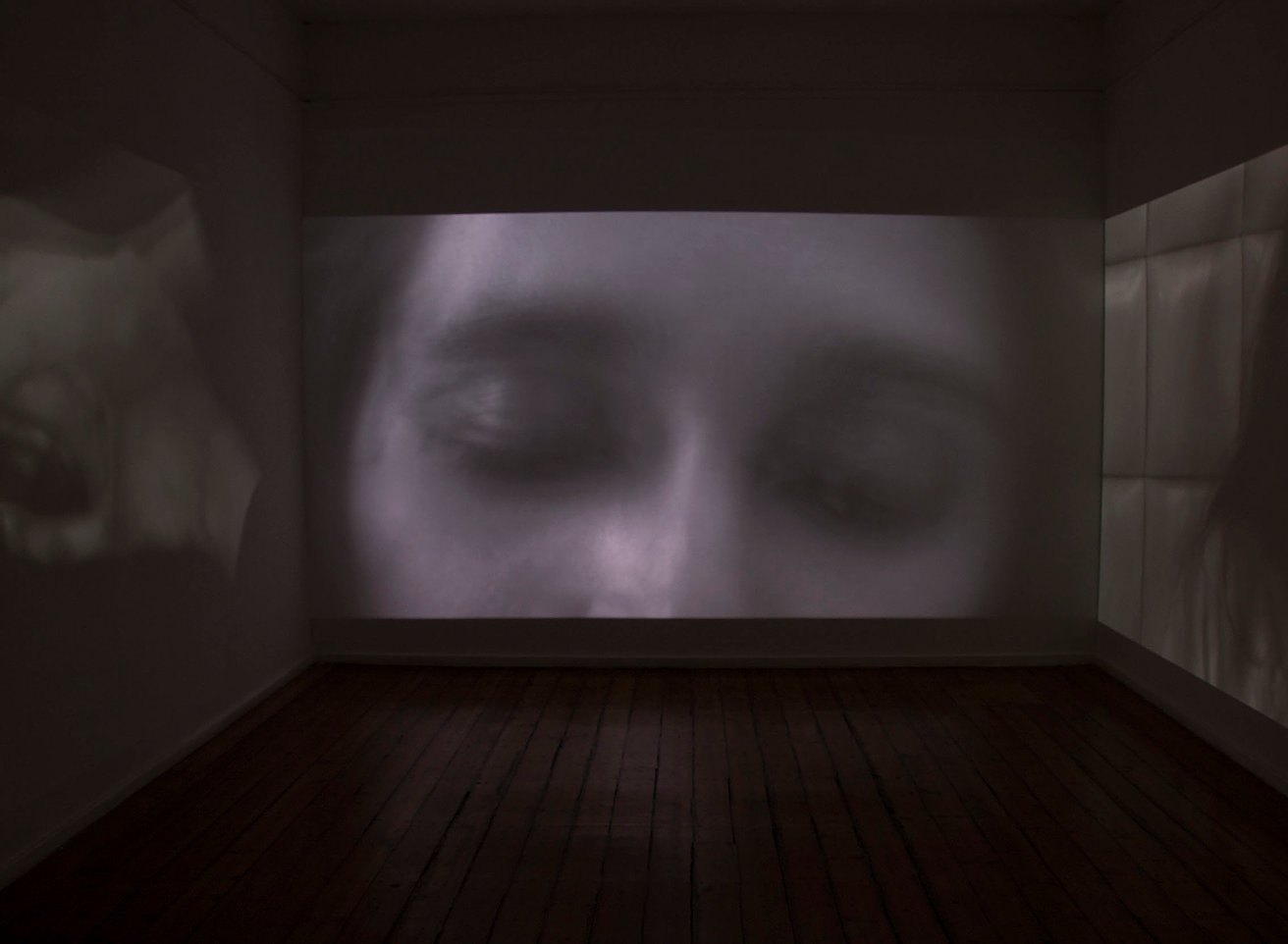
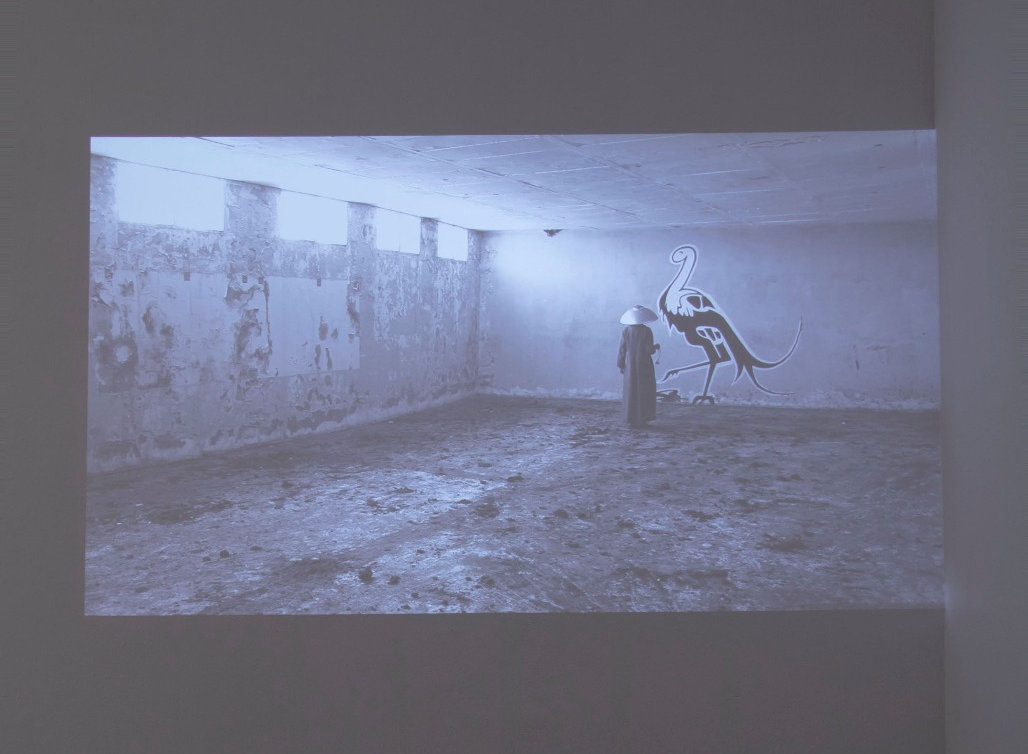
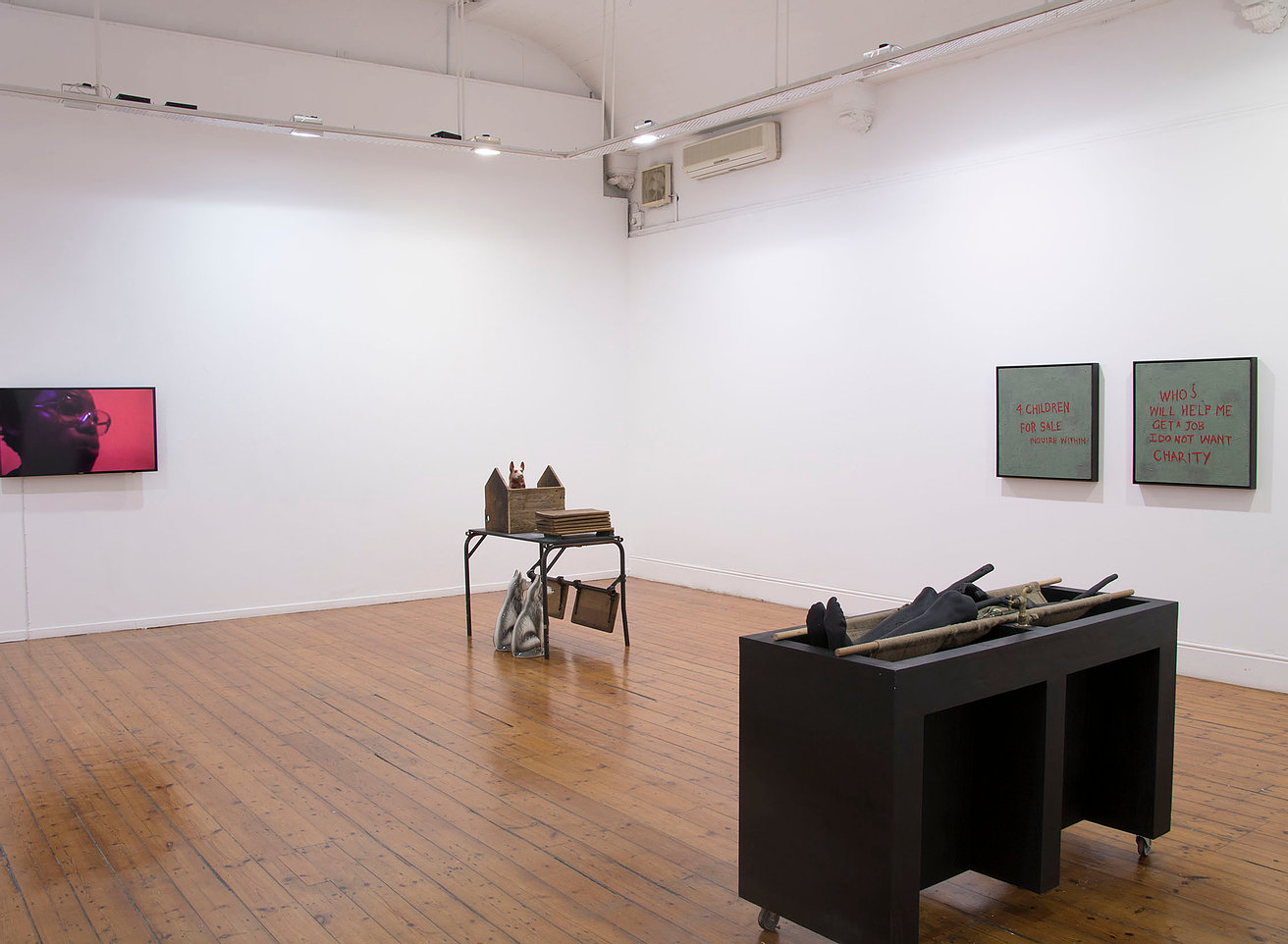
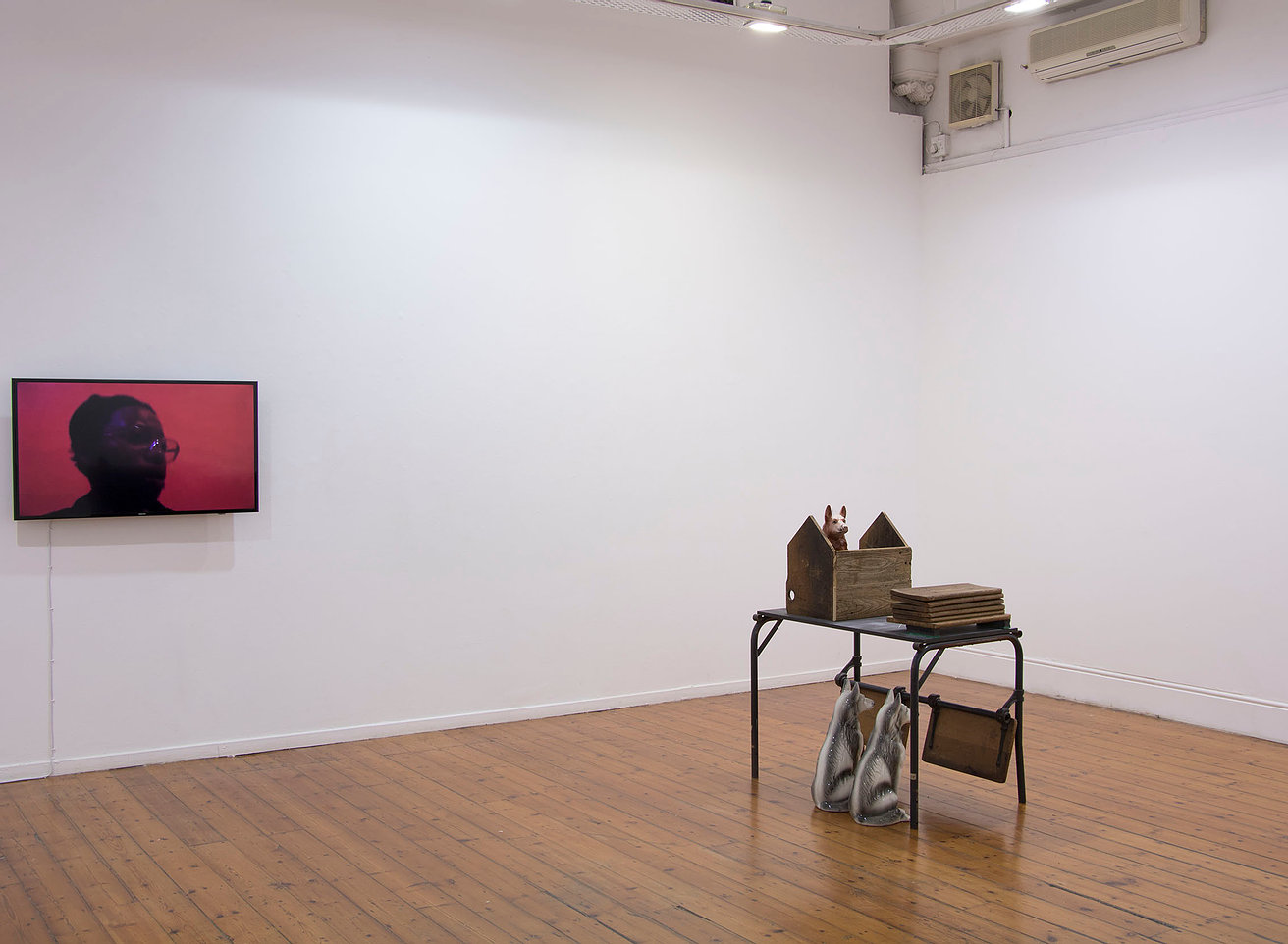
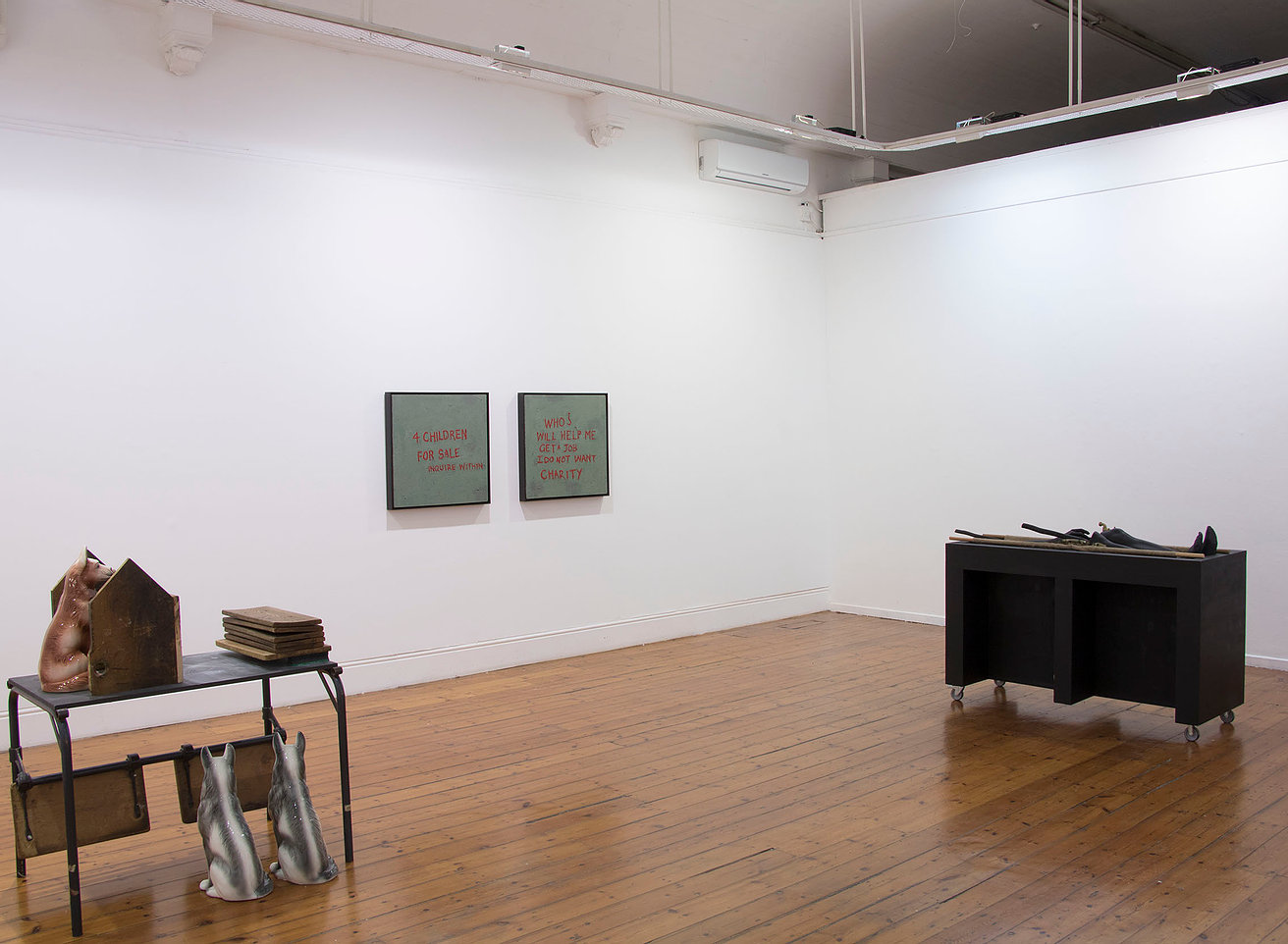
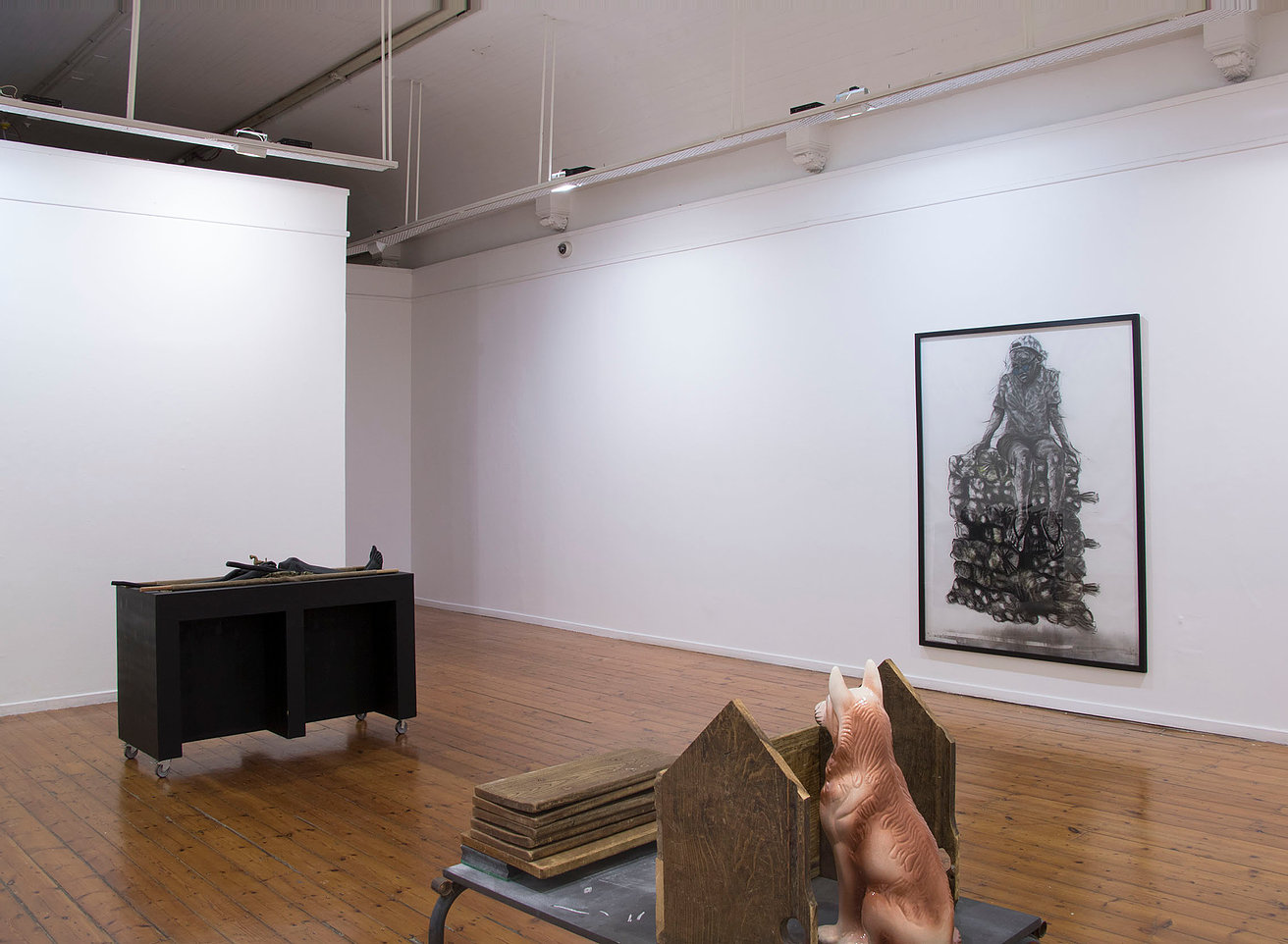
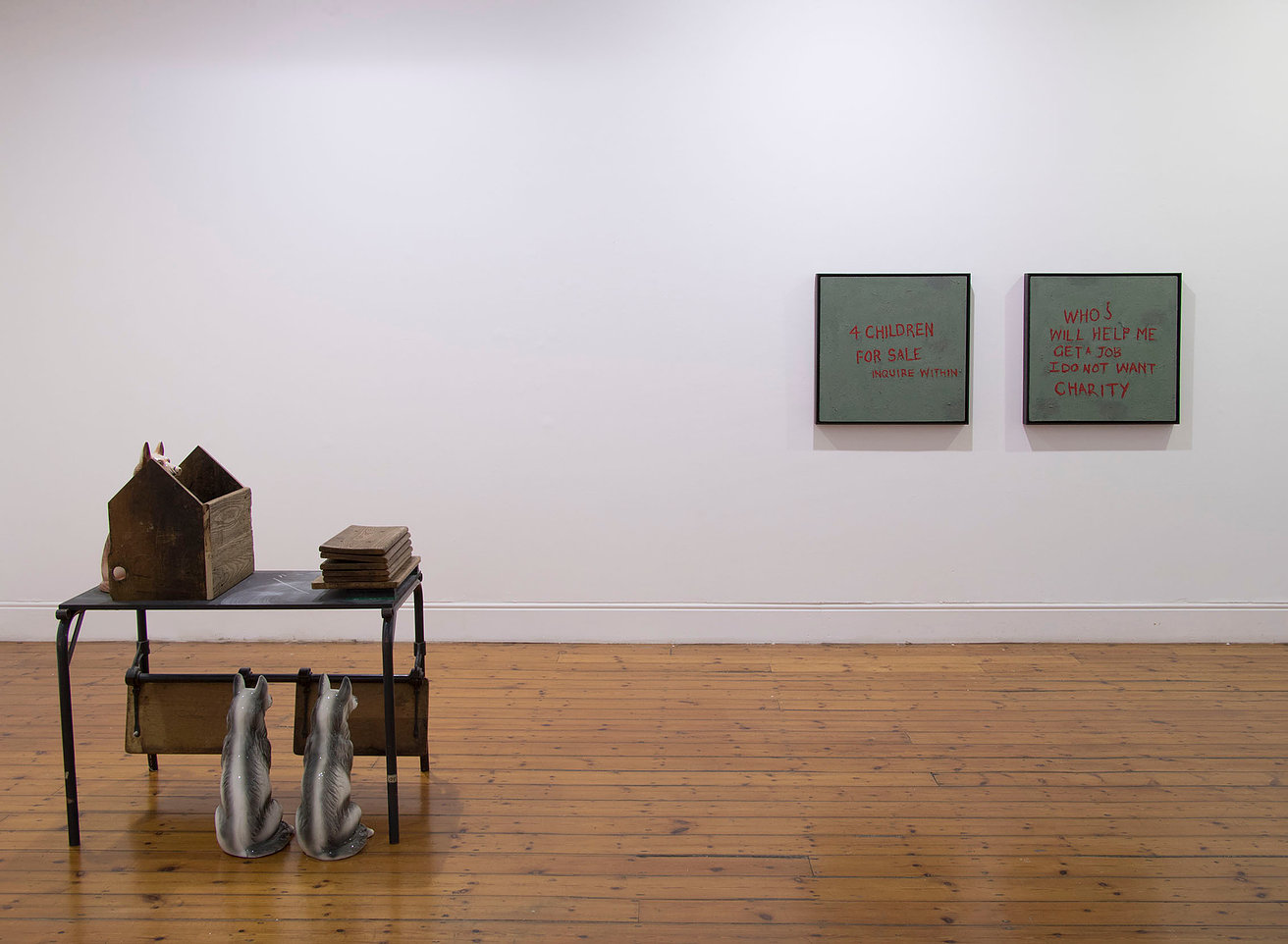
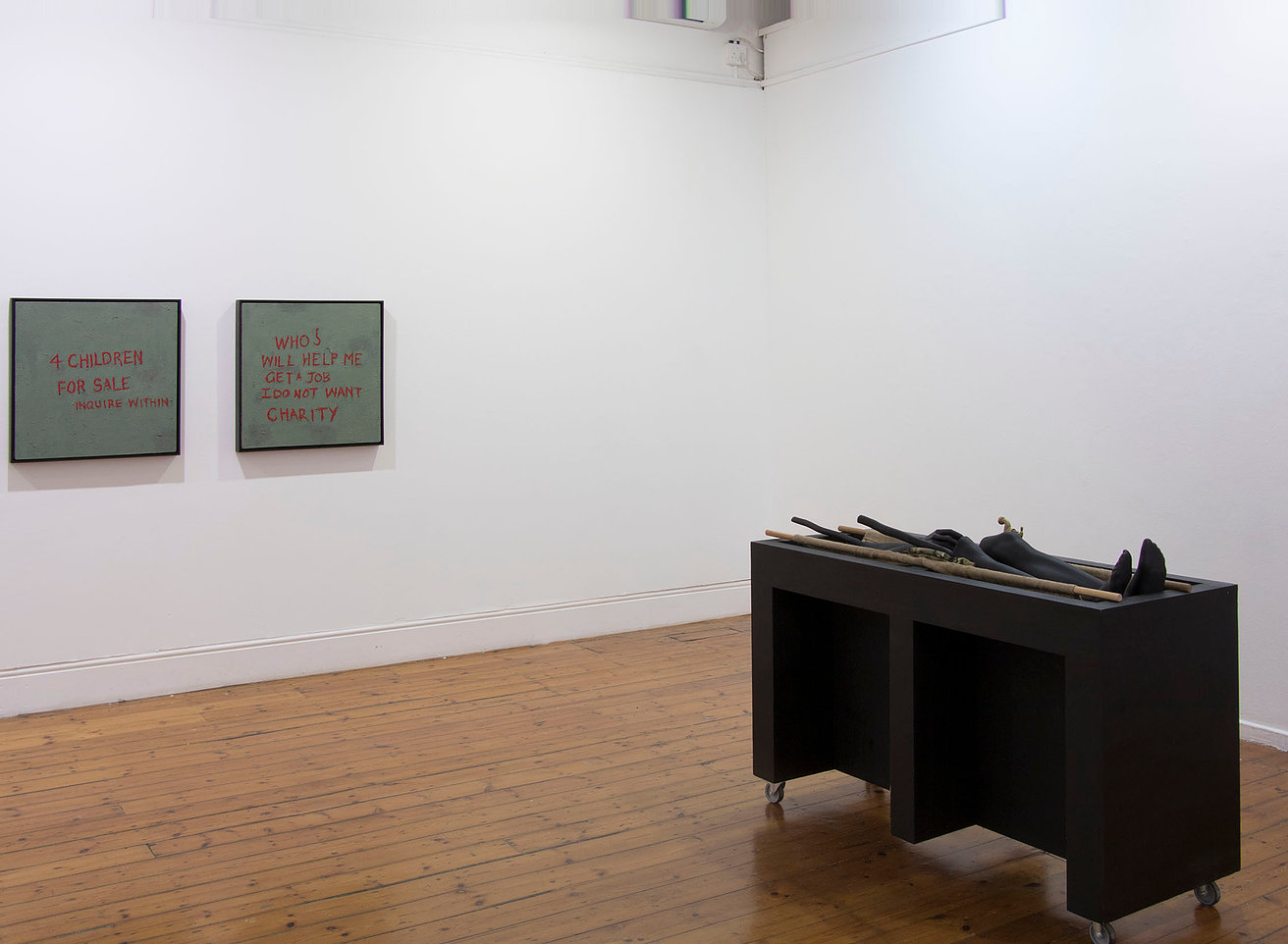
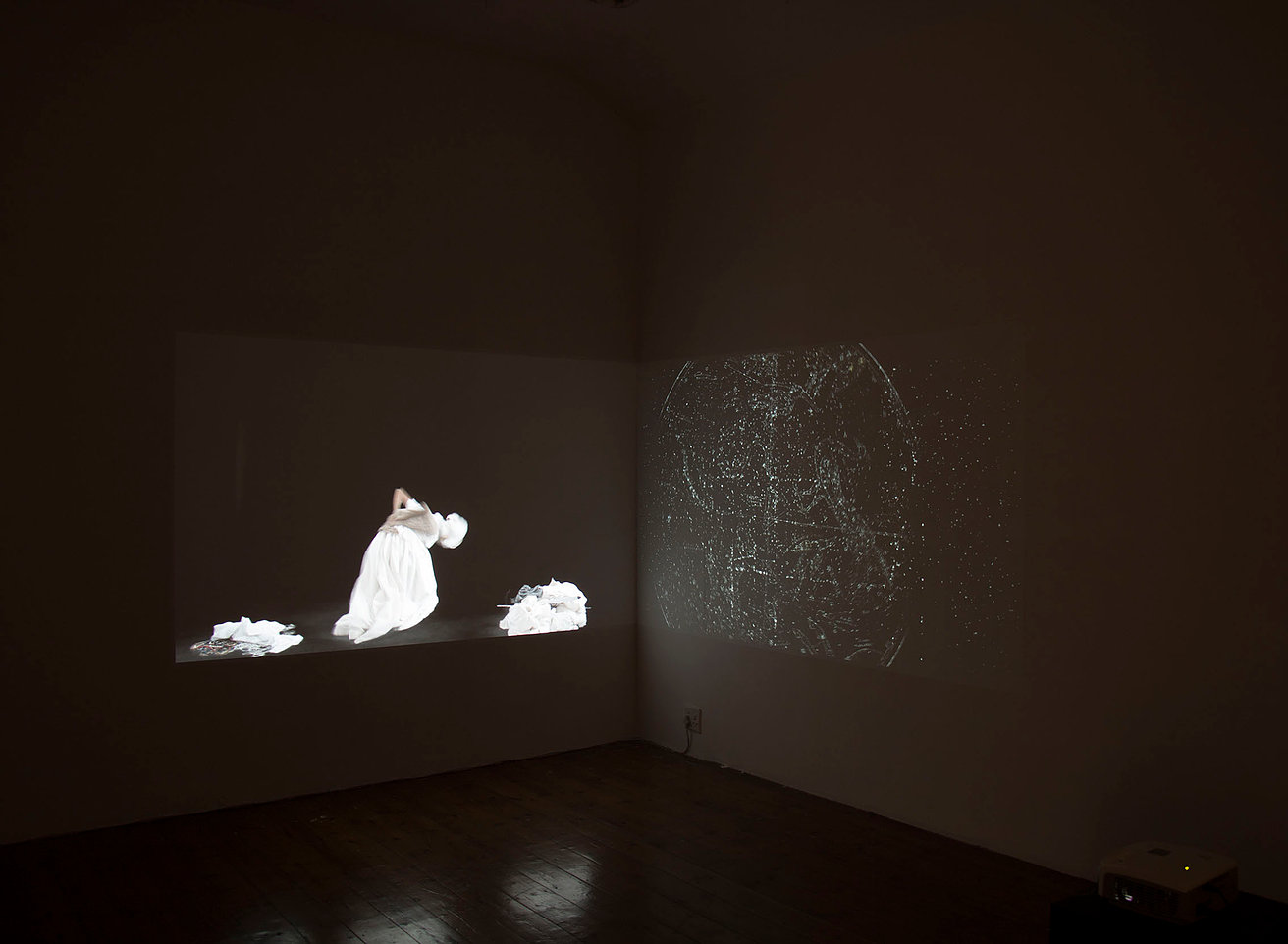
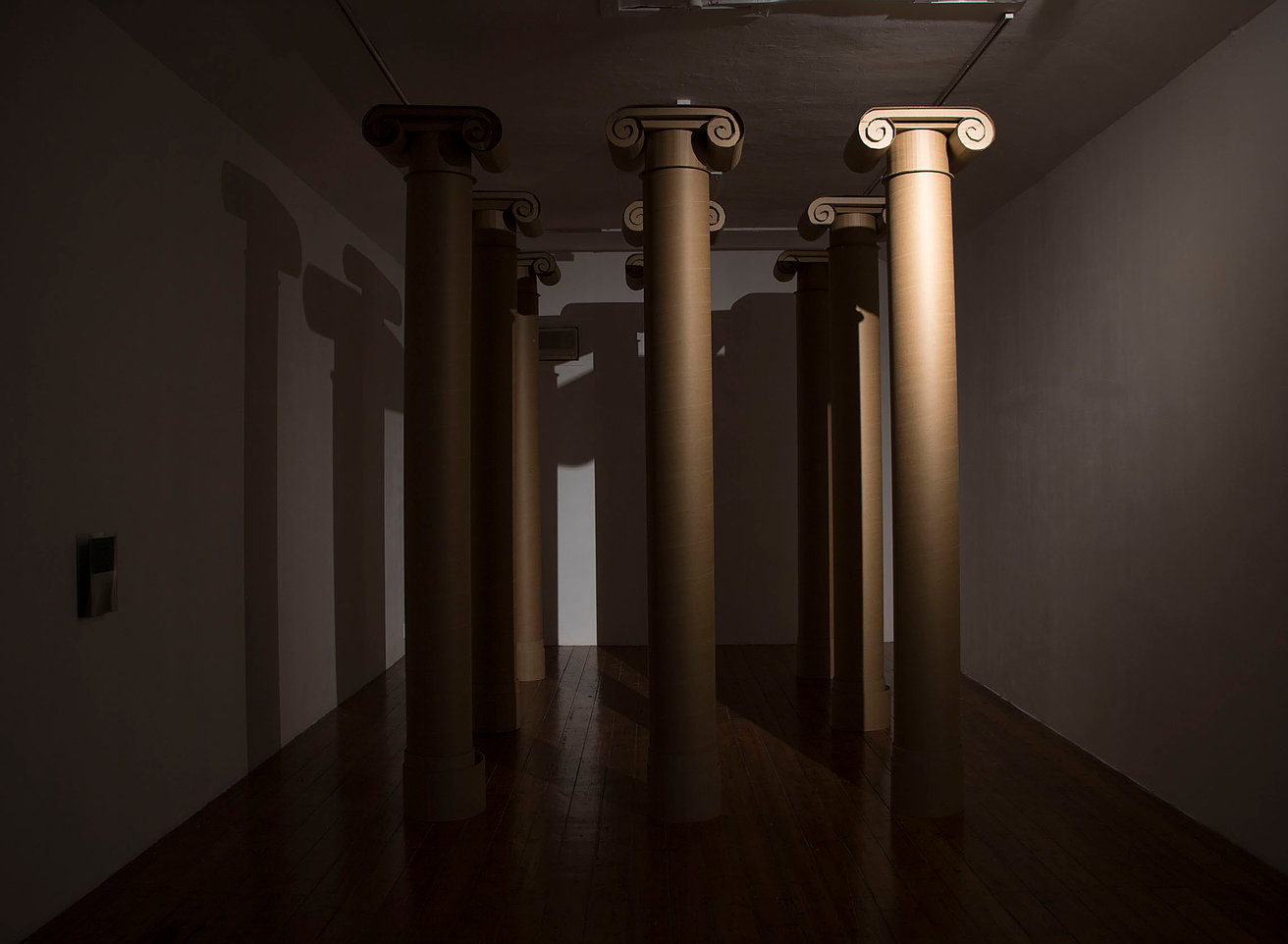
The Michaelis Galleries present Looking After Freedom. The exhibition is realised with the support of the British Council in South Africa. This groundbreaking exhibition constitutes a history of experimental, "decolonizing" art practices by contemporary African artists, and reflects on their influence internationally.
In this exhibition, Looking After Freedom offers a sampling of artists working in photography, video, and other experimental media. Among the artists included are acknowledged figures such as Dineo Seshee Bopape, Thembinkosi Goniwe and Kemang Wa Lehulere, alongside artists on the rise such as Skhumbuzo Makhandula and MadeYouLook. The exhibition is curated by Nkule Mabaso and Raél Jero Salley as part of the project of "Decolonization and the Scopic Regime."
Many of the artists featured in this exhibition have helped shape a more complex, expanded, and inclusive field of conceptual, video, performance and installation art in South Africa and beyond. Beyond this, these artists share a commitment to invent, through artistic practice, more human, more workable visual, material, and conceptual tools and spaces.
Looking After Freedom brings overdue scholarly attention to the extraordinary contributions artworks make to shape new forms of socio-political imagination. "Our point of return is that artists (makers) are always already doing the work of nurturing our imaginations for everyday life, mediating the paradoxes built into recent struggles for freedom," says co-curator Raél Jero Salley.
This exhibition presents the argument that Looking After Freedom is possible via recent works of Africana art. The curators do not see these works of art as mere illustrations of a struggle for freedom happening in a separate political reality. Their central proposition is this: each artist, each work of art is already "looking after freedom," in singular and various ways.
The artists invited to participate have been selected because their practices evoke events, histories, and geographies that exceed fleeting representations of Africana life after slavery, colonialism or apartheid. Their work moves out of the past tense, away from artificially idealized representations of Africana being.
New imaginings may work to disentangle, decolonize, and emancipate looking. This exhibition intends to offer a sense of what such a project of emancipated looking means in practice, how it functions interpretively, and what it might mean in concrete terms.
Looking After Freedom will form part of the core project at the Michaelis Galleries at the University of Cape Town for discussions around the issues of decolonization and the scopic regime.